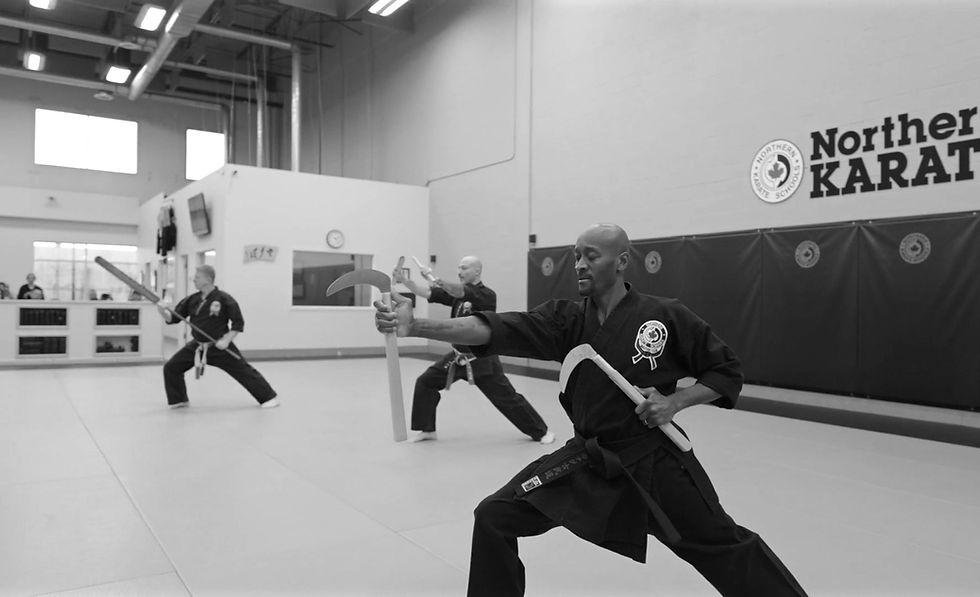
Building Social Skills in Teens Through Karate Training
A practical look at how martial arts training supports teen confidence, communication, and meaningful social development.
Teenage years are a defining phase in personal development. It is during this time that social identity forms, communication habits develop, and emotional responses become more refined.
While school and home environments contribute significantly, structured extracurricular activities often play a crucial role in shaping how teenagers interact with others.
Karate is one such activity that goes far beyond physical training. At NKS Maple, karate is taught as a discipline that supports physical, emotional and social development.
Moreover, karate training helps teenagers build confidence, improve communication, develop empathy, and form meaningful friendships in a structured and respectful environment!
Why Social Skills Matter in the Teenage Years
Adolescence is a key stage of emotional and social development, during which teenagers learn to manage identity, relationships, and communication.
Many teenagers struggle with -
Peer pressure and fitting in
Difficulty expressing emotions clearly
Social anxiety in group settings
Sensitivity to judgement or criticism
Without proper support, these challenges can lead to low confidence and social withdrawal.
Structured environments like karate training at NKS Maple help by providing discipline, routines, and respectful interaction. A dojo builds stability, helping teens develop confidence, communication, teamwork, and stronger social skills for everyday life.

How Karate Naturally Builds Teens' Social Skills
Although karate is often viewed as an individual martial art, it is deeply social in practice. Every class involves interaction, observation, cooperation, and communication.
Teens regularly engage with instructors and peers, learning techniques and also how to behave, respond, and collaborate in group settings. Over time, this repeated interaction naturally improves communication skills and social awareness.
A primary strength of karate is that it builds confidence gradually. Even shy or reserved teens begin to open up as they become familiar with their training environment and peers.
The Main Social Benefits of Karate for Teenagers
Karate offers structured opportunities for teens to develop essential interpersonal skills. These skills are not taught in isolation; they are embedded in every training session.
Social skills developed through karate training include -
Social Skills | How Karate Develops It | Real-Life Teen Benefit |
Communication Skills | Teens follow instructor commands, engage in partner drills, and learn non-verbal cues during sparring | Improved ability to express thoughts clearly and understand others in school and social groups |
Teamwork & Collaboration | Partner exercises, group training, and synchronised drills require cooperation and mutual respect | Stronger friendships, better group participation in school projects and activities |
Conflict Resolution | Controlled sparring teaches emotional control, patience, and strategic thinking instead of reactive behaviour | Ability to handle disagreements calmly at school and in peer relationships |
Respect & Empathy | Dojo etiquette emphasises respect for instructors, peers, and training space discipline | Greater understanding of others’ perspectives and improved social harmony |
Confidence Building | Belt progression, skill mastery, and positive reinforcement build self-esteem | Reduced social anxiety, improved participation, and stronger self-expression |
Social Integration | Regular training with the same group creates familiarity and structured interaction | Easier friendship building and reduced feelings of isolation |
Emotional Control | Karate teaches discipline, focus, and calm response under pressure | Better management of stress, frustration, and peer pressure |
The Role of Karate in Shaping Teens' Social Behaviour
Karate influences how teenagers behave, not just inside the dojo but also in their daily lives. Because training is consistent and structured, teens are repeatedly placed in situations that require them to communicate, collaborate, and respond appropriately.
Over time, this repeated exposure helps shape stronger social habits. For example, a teen who once hesitated to speak in group settings may gradually become more confident and expressive. Similarly, students who struggle with emotional control often learn patience and calmness through structured training and controlled sparring.Read what our experts have to say on - The Powerful Benefits Of Martial Arts Every Teen Needs …
1. How Karate Builds Communication Skills
Communication in karate goes beyond speaking.
Teens learn to understand -
Instructor commands and instructions
Body language during sparring and drills
Timing and coordination with partners
Through verbal and non-verbal communication, teens build a stronger awareness of their interactions. They also learn to listen carefully, respond respectfully, and observe before reacting. These skills prove valuable in school, friendships, and future workplace communication.

2. Teamwork and Friendship Building
One of the strongest benefits of karate is the natural friendships formed through training. Partner drills, group exercises, and shared progress create a sense of teamwork.
Teens learn to -
Trust their partners during drills
Support each other’s improvement
Work toward shared training goals
This environment encourages genuine connection rather than forced interaction. As a result, martial arts for friendship building becomes a natural outcome of consistent participation.
Many teens form long-lasting friendships through the shared experience of training, discipline, and achievement.
3. Conflict Resolution and Emotional Control
Conflict is a normal part of teenage life. However, many teens lack structured ways to manage disagreements or emotional stress.
Karate provides a safe environment where they learn to:
Control emotional reactions
Stay calm under pressure
Respect opponents during sparring
Focus on solutions rather than reactions
Teens quickly learn that reacting impulsively leads to mistakes, while calm thinking leads to better outcomes. These lessons naturally transfer to real-life situations, helping teens handle school conflicts and peer disagreements more effectively and leading to a major decrease in stress.
4. Respect and Empathy Development
Respect is a core value in karate training. From the moment students enter the dojo, they are taught discipline, etiquette, and consideration for others.
This environment teaches teens to:
Respect instructors and peers
Value different skill levels and learning speeds
Understand personal boundaries
Over time, this creates a deeper sense of empathy. Teens begin to understand that everyone is working through their own challenges, which helps build kindness and patience in social interactions.
5. Increased Self-Confidence in Social Situations
One of the most noticeable outcomes of karate training is improved self-confidence.
As teens progress through belt levels and master new skills, they develop a strong sense of achievement.
This confidence is based on effort and growth, not external validation.
As a result, teens become more comfortable:
Speaking in groups
Meeting new people
Participating in school activities
Handling social pressure
This is where karate for teens’ confidence becomes especially important. It builds a strong internal foundation that supports all areas of social life.
Conclusion
Karate is not just a martial art; it is a structured system for personal and social development. For teenagers, it provides a powerful platform to build communication skills, teamwork, empathy, emotional control, and confidence.
At NKS Maple, karate training is designed to support the complete development of teens. Through a combination of disciplined training and a positive community environment, students grow into confident individuals who are socially aware and emotionally balanced.
In today’s world, where teenagers face increasing social and emotional pressures, karate offers a grounded, respectful, and empowering environment that helps them build strong social foundations that last a lifetime.